

“There was never any more inception than there is now.”
— Walt Whitman, Song of Myself
A stranger is not born. A stranger is made.
Not only through geography or language, but through the slow accumulation of borders, political, historical, cultural, and imagined. Long before they appear on maps, borders inhabit the mind, shaping who belongs, who arrives, who is remembered, and who is forgotten.
Yet the world has never ceased folding into itself. Every migration leaves its trace. Every exchange transforms both host and guest. Histories intertwine, cultures overlap, and identities remain perpetually unfinished. Difference has never existed apart from relation.
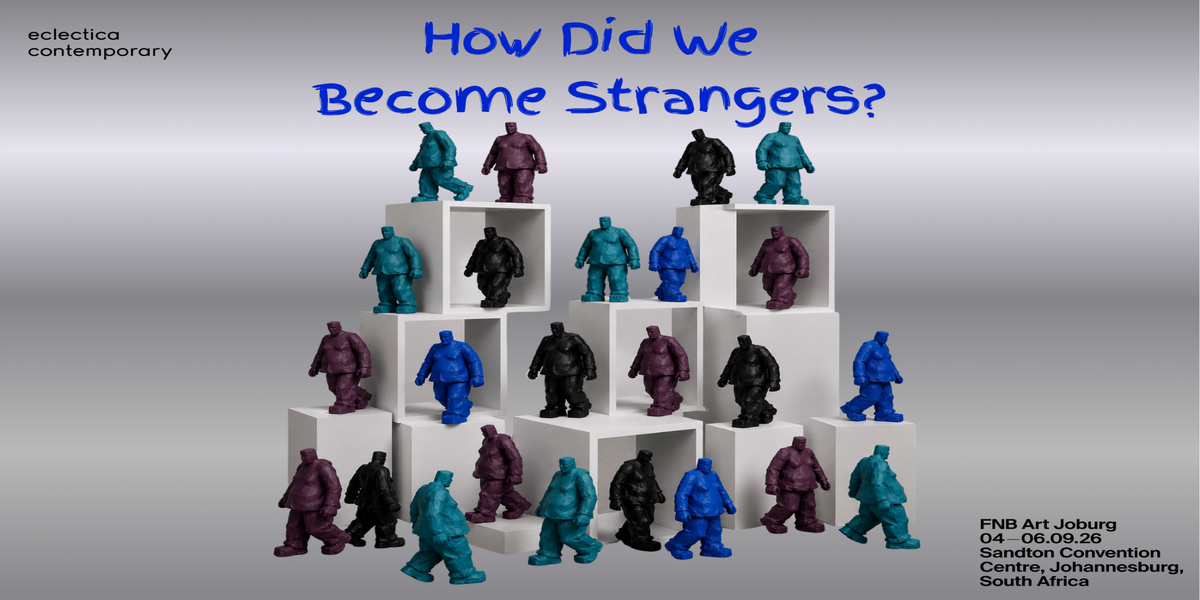
How Did We Become Strangers? begins from this paradox. Bringing together artists from across the African continent and its diaspora, the exhibition proposes neither a unified narrative nor a singular identity. Instead, it embraces plurality as a condition of seeing. Each artist speaks through a distinct material language, shaped by particular histories, memories, and encounters with place.
Like stars within a constellation, the works remain independent, yet acquire meaning through proximity. The constellation is not found but imagined, it exists because we choose to perceive relationships across distance. So too with community. It is not the erasure of difference that binds us, but the willingness to recognise ourselves within it.
In an age defined by unprecedented connection and increasing division, where images cross borders more easily than people and belonging is continually contested, these artists remind us that art has always resisted fixed boundaries. It carries memory where history falters, creates dialogue where politics cannot, and imagines forms of relation beyond inherited lines of separation.
Perhaps the question is not what makes us different.
It is how, despite our shared entanglements, we came to imagine one another as strangers and whether the act of looking, with care and attention, might become the beginning of recognition once again.
Importantly, the exhibition reunites past and present through the inclusion of selected earlier works from the original series. These artist proofs, retained after the editions sold out, act as points of origin, rare markers of where the journey began, placed in dialogue with where it has arrived.
This presentation offers a rare opportunity to witness an artist in conversation with his own history, not nostalgically, but with clarity and resolve.
Palingenesis carries a universal truth: while we are born once biologically, we are shaped and reshaped across a lifetime, through hardship, reinvention, loss, courage, and growth.
Transformation is never singular. We do not change only once. We shed many skins across a lifetime.
And sometimes, after years of searching elsewhere, we return to the symbol that first knew us
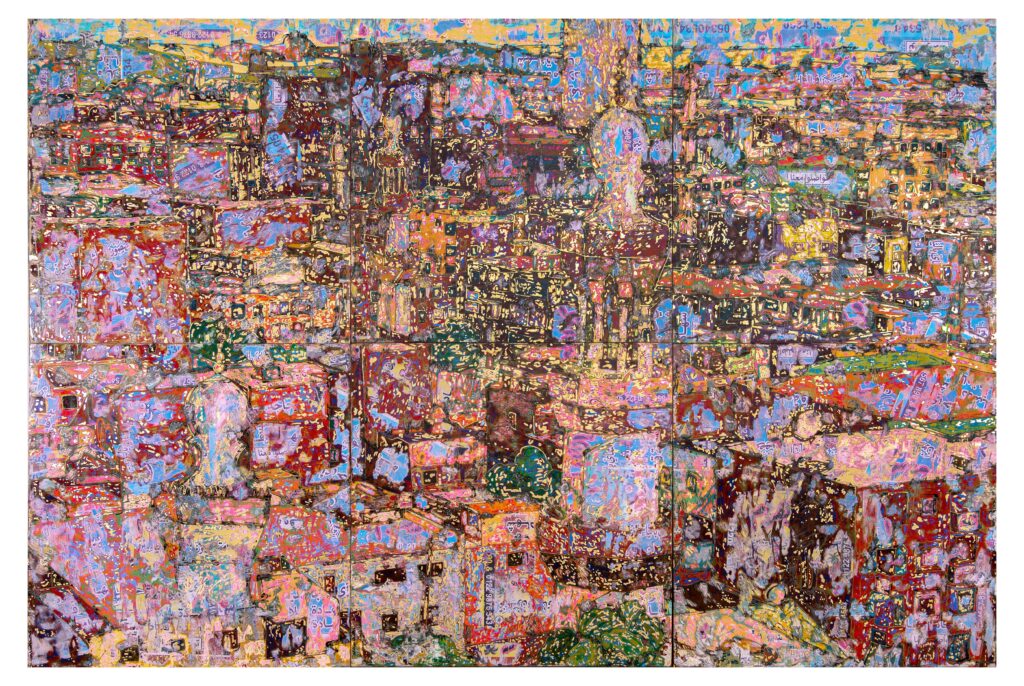
Ibrahim Khatab
Built to Distract (1-6), 2026
Mixed Media on Wood
120 x 120 cm each

Ebenezer Samuel Akinola
Thou Who Follow, Follow, 2026
Oil on Linen
70 x 101 cm
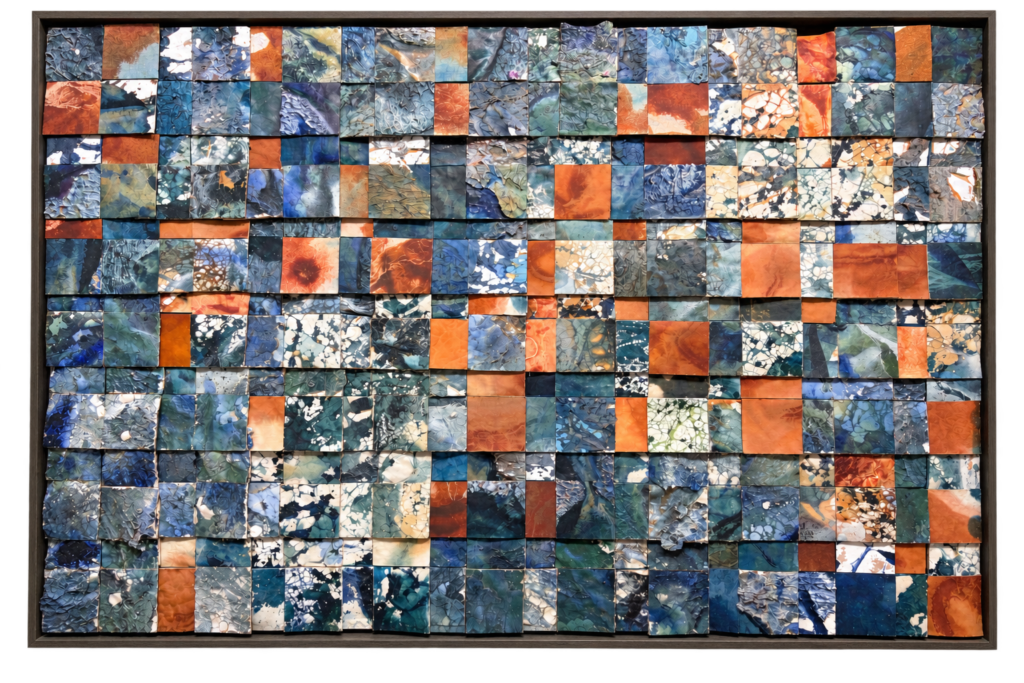
Chrisél Attewell
Refractions: Clay and Water, 2023
Oil and Clay on Canvas
160 x 110 x 3 cm
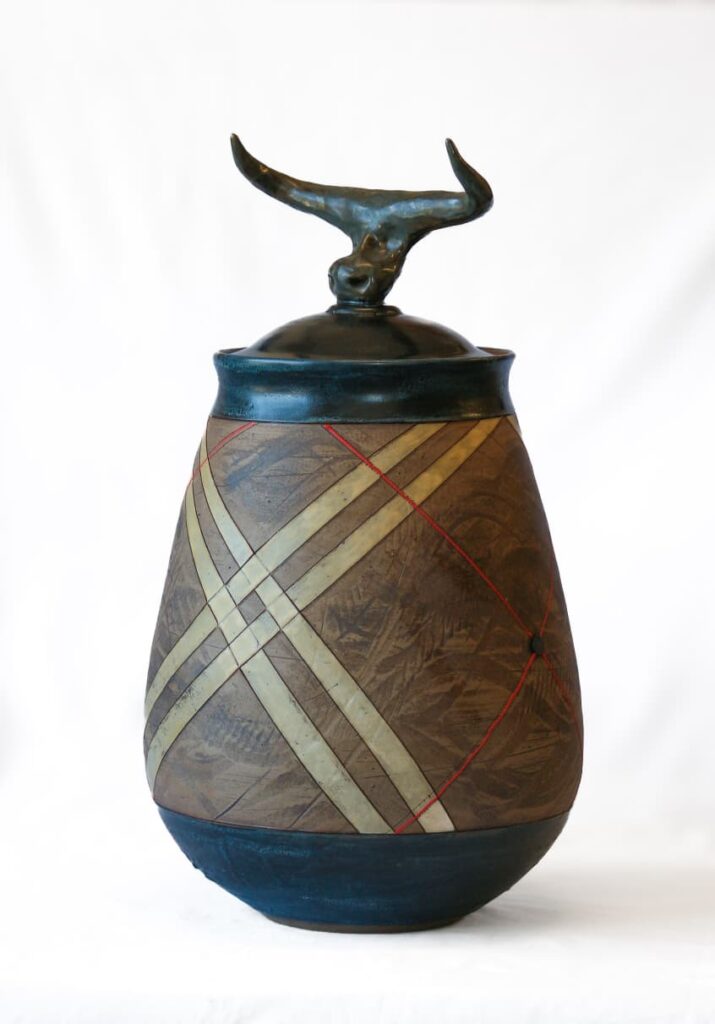
Sikho Mququ
Mamlambo, 2026
Wheel-thrown Stoneware Ceramic Sculpture
64 x 36 x 36
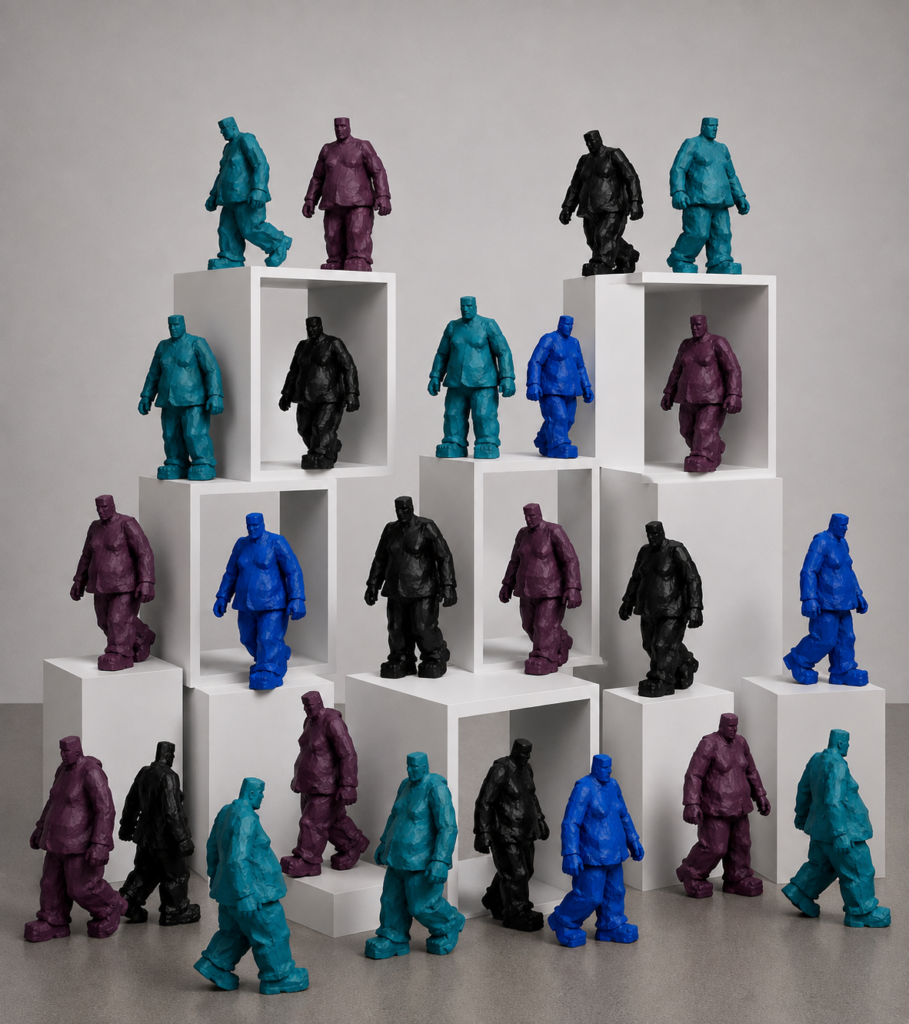
Kamal El Feky
In Search of Meaning (I-XX)
Bronze Sculptures
30 x 17.5 x 14.5 cm each

Johannes Phokela
Fat and Lean Kitchens (Rage of a Landlord and a Solemn Tune of a Minstrel), 2026
Oil on Canvas
150 x 150 cm each (Diptych)